Excellent restaurant. We have been coming here for over 20yrs and have never been disappointed. The staff are so good and attentive and the food is consistently excellent Probably one of the best restaurants around for value and quality combined.
Overview
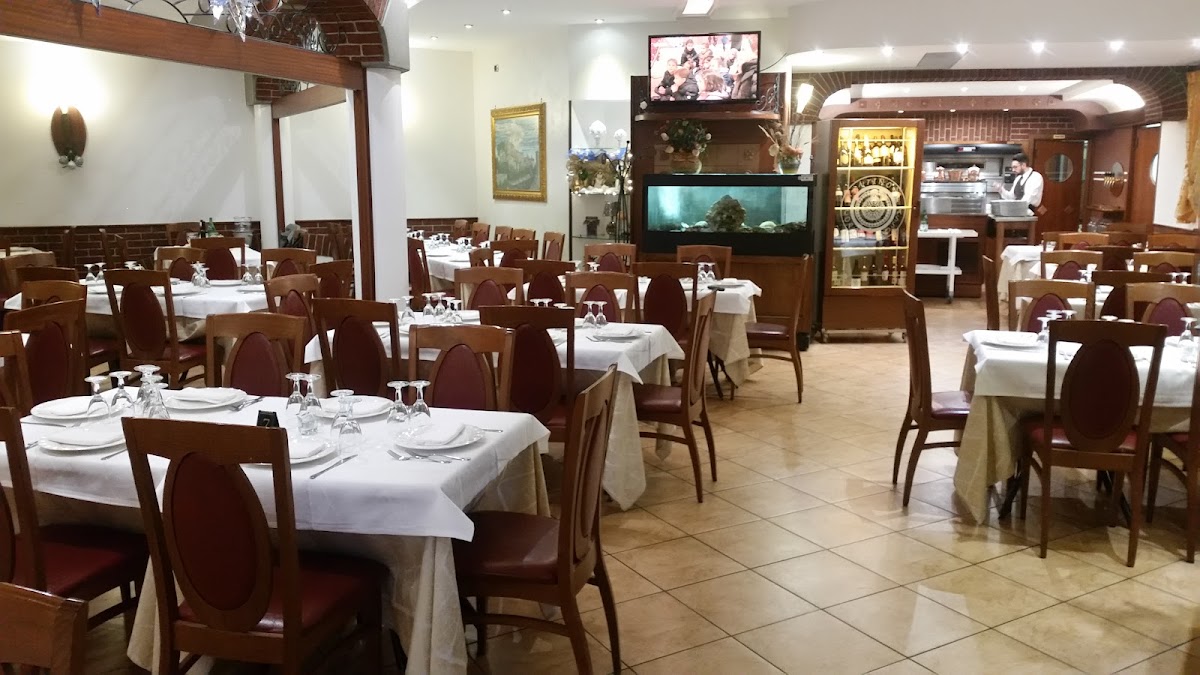
Walking into Cantinone Coppularossa feels like stepping into a working slice of Puglia rather than a staged dining room. I stopped by after a long drive along the Adriatic coast, hungry and curious, and the place immediately set the tone with its stone walls, low arches, and the kind of warm noise that only comes from people genuinely enjoying their food. The location, tucked along Via C. Pisacane, 3, 72012 Carovigno BR, Italy, makes it easy to miss if you’re rushing, but locals clearly know where they’re going.
The menu leans heavily into regional Apulian cooking, and that’s a good thing. Instead of overwhelming guests with endless choices, it focuses on seasonal dishes that reflect what nearby farms and fisheries are producing. When I asked about the orecchiette, the server explained how the pasta is shaped by hand every morning, using durum wheat semolina sourced from southern Italy. That tracks with data from the Italian National Institute of Statistics, which reports that over 70% of traditional pasta producers in Puglia still rely on locally milled wheat. You can taste the difference; the texture holds sauce instead of sliding through it.
One dish that stood out was the slow-braised beef with Primitivo wine. The meat arrived tender enough to cut with a fork, and the sauce had depth without heaviness. According to food science research published by the University of Bari, long, low-temperature braising allows collagen in tougher cuts to convert into gelatin, which explains why the dish felt rich but balanced rather than greasy. That kind of technique shows real kitchen confidence, not shortcuts.
Wine plays a central role here, and it’s not treated as an afterthought. The wine list highlights small producers from Salento and the Valle d’Itria, many of whom follow low-intervention practices. I was pointed toward a local Negroamaro that paired beautifully with grilled lamb. The server mentioned that the restaurant works directly with winemakers, cutting out distributors when possible. This approach mirrors recommendations from Slow Food Italy, which encourages direct producer relationships to preserve regional identity and fair pricing.
Reviews from repeat diners often mention consistency, and after watching plates go out during a busy service, it’s easy to see why. Orders came back empty, and tables lingered, chatting and sharing bites. One couple at the next table told me they come every month and always order something new because the menu evolves with the seasons. That flexibility is harder to pull off than a fixed menu, but it keeps the kitchen sharp.
The process behind the food matters here. Vegetables are roasted or lightly sautéed to preserve flavor, not drowned in oil. Seafood is handled simply, often grilled or served raw when fresh enough. The chef explained that if the fish delivery isn’t right that morning, it doesn’t go on the menu. While that means certain dishes aren’t always available, it builds trust. The European Food Safety Authority consistently emphasizes freshness as a key factor in both flavor and nutritional value, and this kitchen clearly takes that seriously.
Service stays relaxed without drifting into careless. Questions are answered thoughtfully, and recommendations feel personal rather than scripted. That kind of hospitality usually comes from staff who eat the food themselves and believe in it. Prices sit comfortably in the mid-range for the area, especially considering portion size and ingredient quality.
There are limits worth noting. If you’re looking for experimental plating or international fusion, this isn’t that kind of place. The focus is tradition, done well, and done honestly. For diners who value real cooking, clear flavors, and a sense of place, this restaurant delivers exactly what it promises through its menu, its location, and the steady stream of positive reviews that keep locals coming back.
Good to know
Service options
✓ Outdoor seating ✓ Takeaway ✓ Dine-inHighlights
✓ Great coffee ✓ Great dessert ✓ Great wine listPopular for
✓ Lunch ✓ Dinner ✓ Solo diningAccessibility
✓ Wheelchair-accessible car park ✓ Wheelchair-accessible entrance ✓ Wheelchair-accessible seating ✓ Wheelchair-accessible toiletOfferings
✓ Alcohol ✓ Beer ✓ Coffee ✓ Healthy options ✓ Late-night food ✓ Quick bite ✓ Small plates ✓ Spirits ✓ Vegan options ✓ Vegetarian options ✓ WineDining options
✓ Lunch ✓ Dinner ✓ Catering ✓ Dessert ✓ Seating ✓ Table serviceAmenities
✓ Bar on site ✓ ToiletAtmosphere
✓ Casual ✓ Cosy ✓ Quiet ✓ TrendyCrowd
✓ Groups ✓ TouristsPlanning
✓ Lunch reservations recommended ✓ Dinner reservations recommended ✓ Accepts reservationsPayments
✓ Credit cards ✓ Debit cards ✓ NFC mobile payments ✓ Credit cardsChildren
✓ Good for kids ✓ High chairs ✓ Kids' menuParking
✓ Free of charge street parking ✓ Free parking lot ✓ ParkingPets
✓ Dogs allowedPhotos
1 / 4
Location
Reviews
- No ratings yet 707 reviews
Wow what an amazing experience. This place is a truly gem. Food is delicious, fresh ingredients and perfect seasoning. It was so good that we visited it twice. Friendly and professional service. Highly recommended
This restaurant saved our day! We forgot to buy sausage at the grocery store for our dinner. It wasn’t until everything was closed on a Sunday when we realized that we were without the main component of our meal! We decided to take a chance and pop in to this restaurant as we saw absolutely nothing else open. An employee did his best to understand our English and our request for uncooked, raw sausage for our dinner. They were so kind to give us a to-go container of sausage for a reasonable price. We looked at this bustling restaurant and were impressed that they took a moment to help us in this desperate moment. Grazie!
Our family love this restaurant! We always go there when we are in Puglia. Their antipasti is amazing and their friendly staff make it a special place to be. Very much recommended!
Very nice restaurant, with good food and a decent wine list
We had 2 gluten free pizzas last night and another pasta dish all very good, really enjoyed the meal. we also saw the anti pasti coming for a table near us and will be back to try it looked very tasty and plentiful.
Service really professional and competent. I trusted the owner's suggestion to try the home starters and it was a great choice. A wide selection, with any plate to enjoy until the last bite. The house sparkling rosé was very refreshing. The last thing that made me happy was the price, more than honest. I am totally happy and I can't give less than 5 stars, all deserved.
The house antipasta is huge and delicious. Pizza was a bit undercooked.